Many people ask, “How long should I wait to shower after cupping?” before returning to their normal routine. This is a common concern due to the skin’s sensitivity immediately after treatment. When you take proper care after treatment, your body will recover easily, and the treatment will have more time to work. Knowing what to do and when you can go back to normal activities will make it easier and more enjoyable.
Why Does Shower Timing Matter After Treatment?
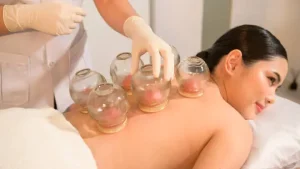
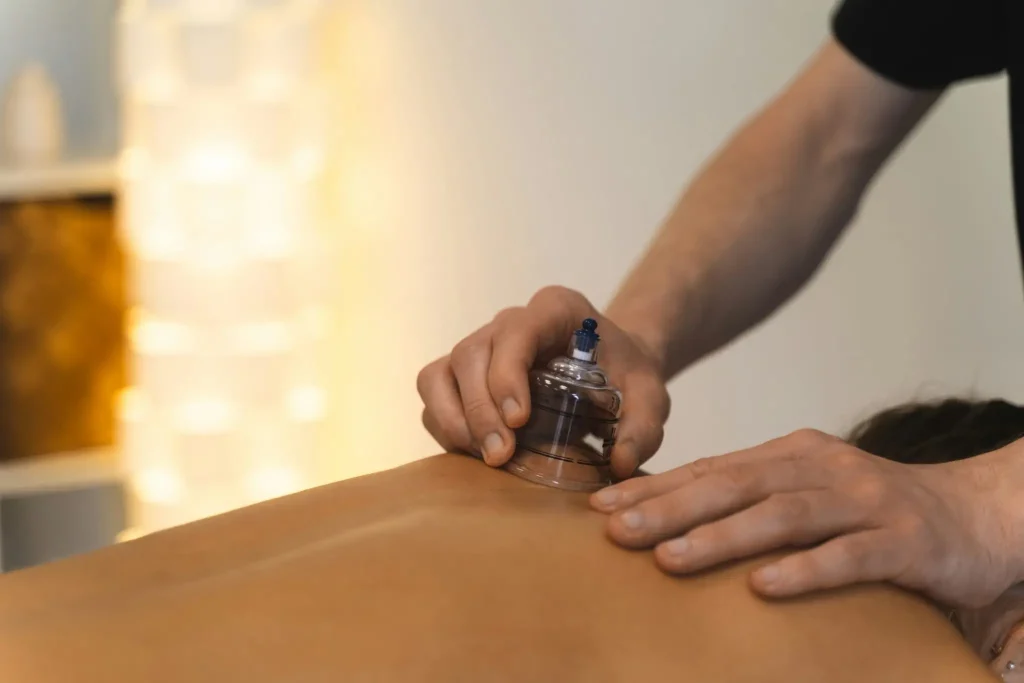
Cupping creates a vacuum on the skin to stimulate blood circulation, leaving small marks after treatment that fade gradually. Immediately after the session, your pores are open, and your skin is even more sensitive to temperature extremes and anything that may irritate it.
It can help to wait before you shower:
- Reduce unnecessary skin irritation.
- Let the body process after treatment.
- Keep very hot or cold water away from sensitive areas.
- Reduces the likelihood of sensitivity in the area being treated.
- Let you recover with more ease.
The difference in how your skin feels afterwards can be significant, and being patient during the first few hours is worth it.
What Should You Avoid During the First Day?
Aftercare has usually been best practiced in the first 24 hours after your procedure. Tweaking your schedule just a little can help your body rebound more happily.
Some activities worth avoiding include:
- Hot baths or steam rooms.
- Swimming pools and hot tubs.
- Very strenuous exercise that results in excessive sweating.
- Direct sunlight on treated areas.
- Tight clothes rub against the skin.
- Harsh soaps or exfoliating products.
Much gentler, leaving the areas treated to naturally recover without added irritation.
How Cupping Therapy Supports Recovery?
Cupping therapy is a treatment many people opt for because it emphasises relaxation and overall wellness. This depends on the experience of each individual; however, it is often used as a technique to relieve muscle tension and facilitate circulation.
People often seek treatment for concerns such as:
- Muscle stiffness after physical activity.
- Tension on Neck and Shoulder to Desk Work
- General body soreness.
- Every day stress and fatigue.
- Tight muscles led to reduced flexibility.
This is a non-invasive option that can be incorporated into a wider wellness routine when clients and practitioners feel it is appropriate before more intensive recovery techniques.
How Can You Care for Your Skin after a session?
Aftercare doesn’t have to be complex. Usually, just listening to your body & being gentle with your skin.
Helpful habits include:
- Stay hydrated throughout the day
- Keep the treated areas clean and dry
- Wear loose, breathable clothing.
- Eat properly to recover.
- If your body is tired, then rest.
- Use a moisturizer only if your practitioner recommended it.
If the circles are still there a few days later, you typically shouldn’t be worried. Their appearance and fading time will depend on how sensitive your skin is and the strength of treatment you receive.
When Should You Contact Your Practitioner?
Most people experience mild tenderness after treatment. But it is always better to get professional help if something feels wrong.
Reach out if you notice:
- Pain that worsens rather than improves;
- Significant swelling around treated areas.
- Persistent skin irritation.
- Warmth/discharge = possible infection
- Expecting longer than expected symptoms.
Getting custom tips gives you peace of mind, lets you clarify any concerns right away, and helps you understand the cupping therapy benefits properly.
Conclusion
Aftercare ensures your healing goes well and helps you receive the full cupping therapy benefits for your treatment. Simple tips and your practitioner’s advice can help ensure your experience is more comfortable.
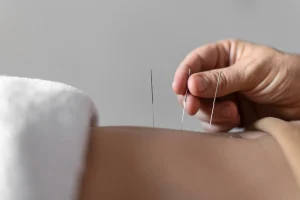
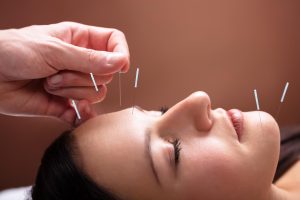
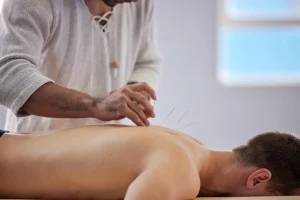
Consult with an expert to learn about the benefits of cupping therapy based on your health goals. Bluemoon Acupuncture offers personalized care and thorough guidance along a path toward better health and well-being.