Myofascial Decompression (Cupping) Therapy
Acupuncture
Myofascial Decompression (Cupping) Therapy Oro Valley, AZ
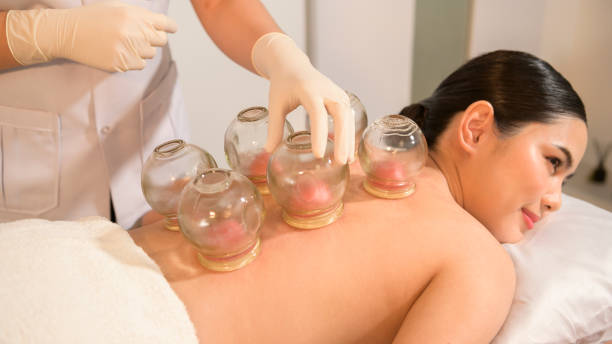
Small cups and mild suction are used in cupping therapy to ease tense muscles, improve circulation, and soothe an overactive nervous system. Cupping is used alone or in conjunction with acupuncture at Bluemoon Acupuncture in Oro Valley to reduce stress, tense muscles, and chronic pain.
Key Takeaways
- Involves the use of suction instead of pressure, which is completely opposite to deep-tissue massage, as it works on the tissue.
- Popularly practiced for muscle tension, chronic pain, poor circulation, and stress.
- Leaves temporary circular marks, which disappear in a few days.
- Most people feel a tight pulling sensation, not pain.
- Commonly combined with acupuncture for a more complete treatment plan.
What Is Cupping Therapy?
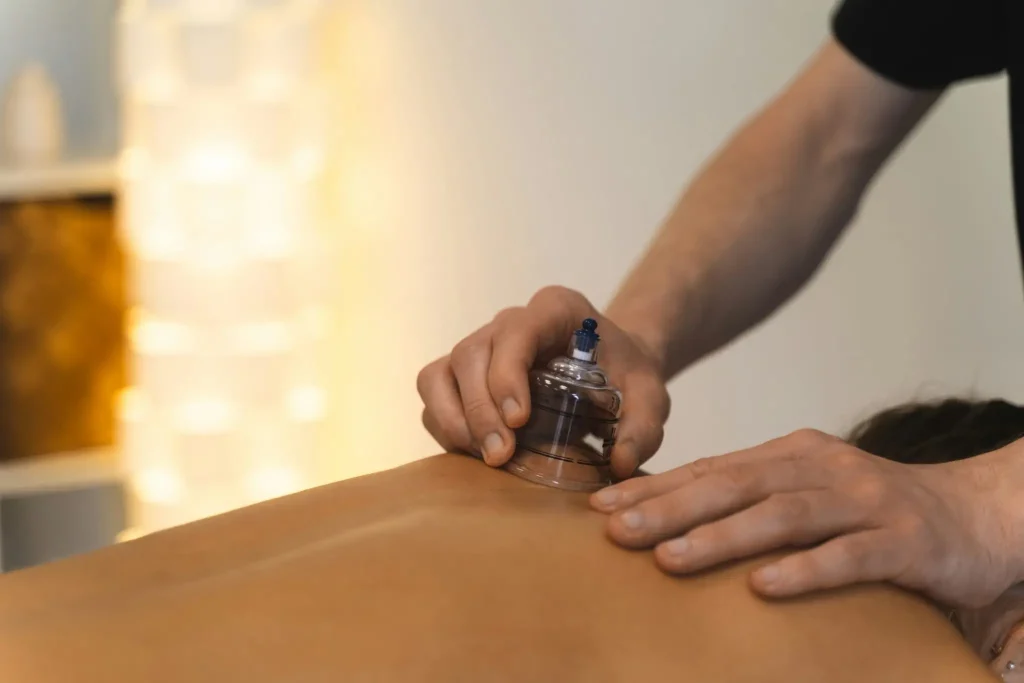
Cupping is a technique where tiny glass or silicone cups are applied directly to the skin as suction devices. Cupping produces negative pressure that gently lifts the skin and underlying tissue upward instead of applying pressure to the muscle as a massage does. This improves circulation in the area, draws stagnant blood and fluid to the surface, and helps release tight, overworked muscle fibers.
With roots in traditional Chinese medicine that date back thousands of years, it is one of the oldest healing methods still in use today. Cupping is used both as a stand-alone treatment and in combination with acupuncture. The two methods complement each other well because cupping directly addresses surface-level muscle tension and circulation, while acupuncture addresses the body’s larger energy pathways.
How Cupping Works?
As the vacuum pressure is created, blood circulation in the treatment area increases, which is why cupping typically results in those temporary circular marks associated with it. With the increase in blood circulation, oxygen and other necessary nutrients are carried to the targeted tissues while metabolic wastes present in tense or damaged muscles are eliminated, and an inflammatory response in the body may be triggered. At the same time, vacuum pressure causes the stretching of fascia, which is a connective tissue surrounding muscles.
Benefits of Cupping
Pain relief
Especially muscle and joint pain, which responds well to increased circulation
Increased circulation
Brings increased blood flow to tight muscles or joints that would normally be lacking in circulation
Improved lymphatic drainage
Helps the body to drain and detoxify itself naturally
Muscle relaxation
Loosens tight muscles and fascia, which massage can fail to loosen properly
Calming of the nervous system
Most people find this procedure deeply relaxing, as much as a massage
Reduces cellulite appearance
Through improved circulation and drainage of the area
Congestion relief
Traditionally used to help with congestion and tightness in the respiratory system
See If Cupping Fits Your Symptoms
What Does Cupping Treat?
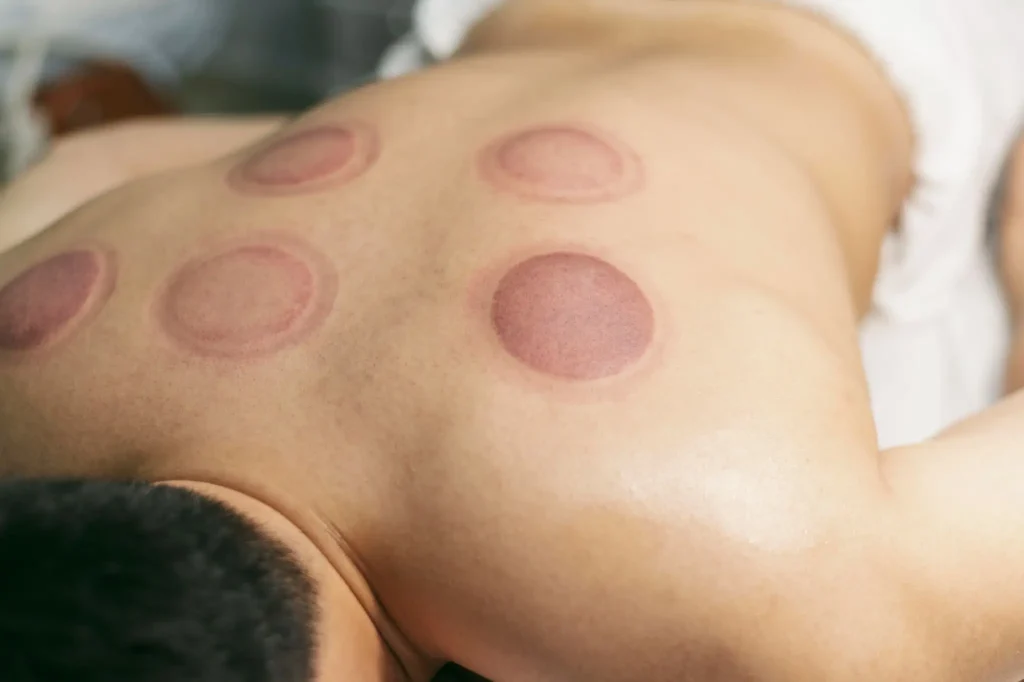
Cupping therapy is commonly used for:
- Chronic back pain and neck pain: Especially tension associated with poor posture and repetitive work
- Tight muscles and cramps: The suction will help to relax stiff muscles which cannot be easily stretched
- Headaches and migraines: Often associated with stress in the neck and shoulder muscles
- Poor circulation: Cupping therapy promotes the improvement of blood circulation in the affected area
- Stress and nervous system tension: Many patients find cupping procedures soothing and relaxing
- Sports recovery: Cupping is used by sportsmen as an additional method for faster muscle recovery
- Respiratory congestion: Cupping treatment of the upper back and chest area is a traditional application of this technique
Who Is Cupping For?
Cupping therapy usually works effectively in individuals who suffer from chronic muscle stiffness, stress that is entrenched in the shoulders and back, or poor circulation. Cupping therapy can also be considered suitable for those who have found massage to be beneficial but would like a treatment that penetrates deeper and provides longer-lasting results. If you are an athlete, an individual whose job involves sitting at a desk all day, or somebody suffering from chronic stress, cupping therapy is one of our most effective treatments.
Talk To Experts Today
What to Expect During a Session?
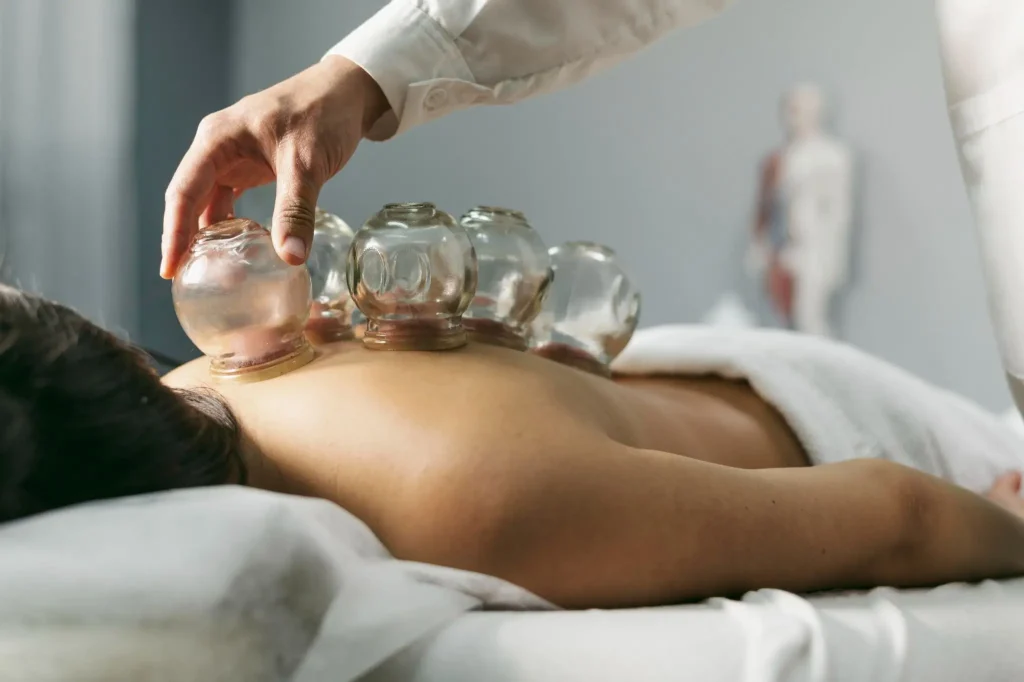
Your practitioner begins by identifying the areas with the most tension, typically the back, shoulders, and neck, although cupping therapy can also be performed in other regions of the body as per the problem you have. Cups are placed onto your skin, and suction is then performed, which could be left in one place or slowly glided over the region (sometimes called “sliding cupping”). Sessions take about 10 to 20 minutes; sometimes cupping is also combined with acupuncture and gua sha in the same session.
Aftercare: What to Do and Avoid After Cupping?
Most patients feel comfortable taking a shower 24 to 48 hours later, so it is best to wait a few hours before doing so. A hot shower too soon can irritate sensitive skin or stop the healing process that the suction has just begun. Cupping opens the pores and increases blood flow to the treated area. Instead of showering directly over the treated skin, use a dry cloth to gently wipe down unaffected areas if you want to freshen up sooner.
About 24 hours after therapy, avoid:
- Hot showers or baths on the treated area
- Direct sun exposure on the affected skin
- Intense physical activity and heavy lifting
- Caffeine and alcohol, which can interfere with the relaxation effect cupping is meant to create
- Harsh soaps, scrubs, and skincare products applied to the treated site
Have Aftercare Questions?
Expert Insight
“Sometimes the body only needs to make a little space to start releasing tension. A gentle way to encourage that process and make the body feel more relaxed is cupping.”
– Dr. Mojgan Rezaei

Since the tightest, most constrained tissue isn’t always where the pain is felt, it’s critical to determine where tension is actually held before starting treatment. For this reason, evaluation is an essential component of each session. Dr. Mojgan Rezaei creates a personalized cupping plan for each patient by utilizing her training in sports medicine and her expertise in treating muscles and joints.
The method followed by Dr. Rezaei is:
- Identification of muscles and regions affected by tension
- Posture, movement pattern, or history of an injury causing the problem
- Selection of cupping location and technique depending upon that
- Cupping, along with other practices like acupuncture and Gua Sha, when required
- Modification of the therapy as per changes in symptoms
Ready to Get Started?
Are you among those who experience tight shoulder muscles or back muscle strain, or constant stress? Well, cupping therapy could be the right approach for you if your massage sessions have not been successful in giving you any relief. This will be done after Dr. Rezaei discusses your case before initiating the process.
Book Your Cupping Session in Oro Valley
FAQ’s

10 K
satisfied Customer
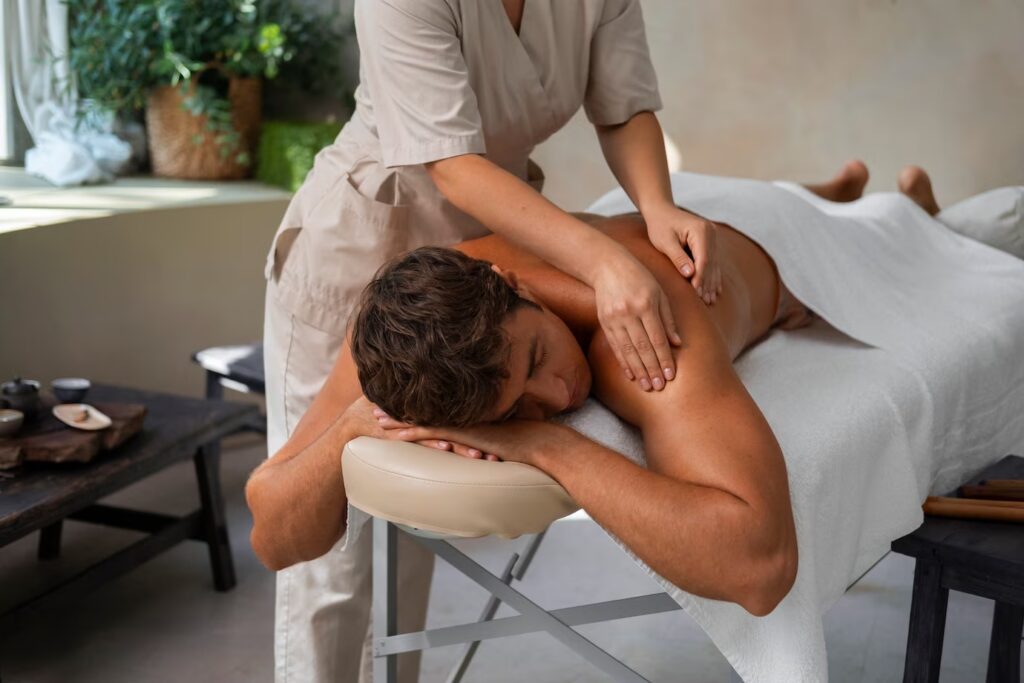
Cupping involves putting cups on your skin, where suction is applied to pull blood into the area, loosen muscles, and aid the healing process of your body. Cupping is different from massage because while massage pushes inwards, cupping pulls outwards.
The majority of cupping patients say they experience a pulling feeling instead of pain. It’s surprising how relaxing it actually feels; many patients end up falling asleep.
Cupping leaves you with circular marks, which may appear more dramatic than they feel. It’s not like bruising, as it doesn’t really hurt, and it goes away in a few days to two weeks. If you have any upcoming social events, be sure to tell your practitioner in advance.
It is based on your needs. In general, once every one to two weeks is sufficient for general purposes. If you are dealing with an acute problem, then cupping sessions two to three times a week may bring more benefits to you in a short time.
Of course, there are cases when people receive both kinds of treatments at the same time. In this case, the combination of those two techniques helps to achieve the desired effect faster because the body’s energy channels are addressed during acupuncture, while cupping helps to resolve the tension on the surface of the skin.
This procedure is quite safe for most healthy people, but in some special situations, like pregnancy in certain areas, cupping may be dangerous for your health. Make sure your practitioner knows your entire medical history.