There are some cases of muscle tension that just do not go away. Even after stretching, foam rolling, and sometimes getting a massage, that knot in your shoulder blade area keeps reappearing. It is natural for people to turn to other methods once the traditional ones are no longer effective. One such method that seems to attract a lot of attention is cupping therapy.
Curious about cupping acupuncture in Oro Valley? You’ve come to the right place. Perhaps you have sore, stiff shoulders, painful workouts, or just a buddy who tells you to give it a go. This blog will help you decide if it is the right procedure for you.
What Exactly Happens During a Cupping Session?
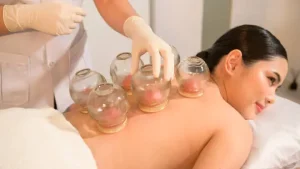
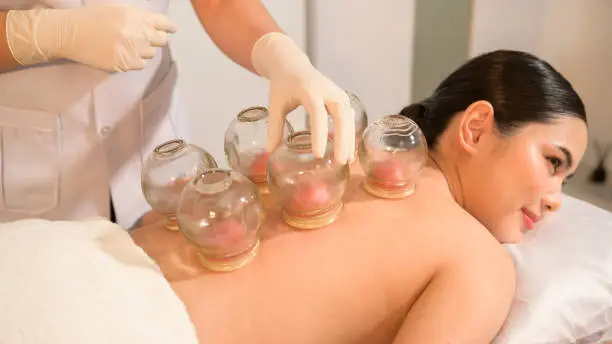
Cupping involves applying tiny glass, silicone, or plastic cups to the skin. The cups remain in place for a few minutes after a light suction lifts the skin and the muscle layer directly beneath it. Almost like a deep massage in reverse, some practitioners also move the cups along the skin while applying a small amount of oil.
This is the fundamental flow:
- You lie down comfortably, usually face down, with the treatment area exposed.
- Cups are applied to sore or constricted areas, usually the legs, shoulders, or back.
- You experience a tugging or pulling sensation that most people find odd but enjoyable.
- The cups are taken off after five to fifteen minutes, and you take a brief break.
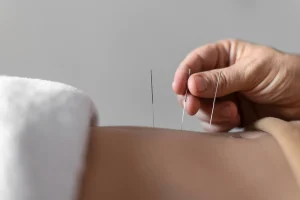
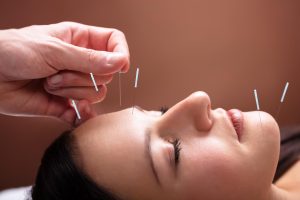
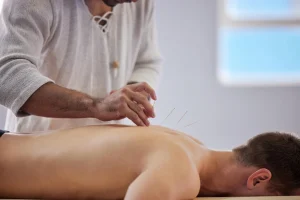
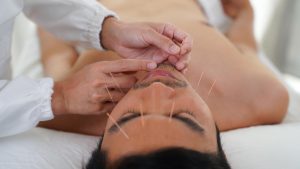
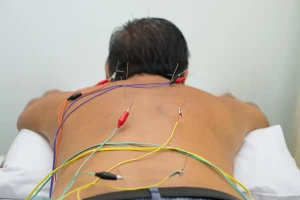
Acupuncture and cupping are frequently combined in the same session. While cupping targets larger areas of tense muscle, acupuncture targets specific points to relax the nervous system. When combined, they address both the big, achy areas and the tiny, stubborn spots.
Who Usually Gets the Most Out of It
Although athletes were among the first to popularize cupping, it’s not just for them. Many regular people find it helpful, particularly when tension has been building for some time.
Patients who are considering cupping therapy Tucson typically fit into one of several categories:
- Tight shoulders, upper backs, and necks in desk employees
- Active people who experience soreness or stiffness after exercising
- Anyone who has tension in their muscles and finds it difficult to release it
- Individuals who prefer manual, non-pharmacological solutions for common aches
It has a straightforward concept. It is thought that the suction will help tight tissue relax and improve blood flow to the area. Many people report that afterward, their muscles feel lighter and looser. However, it’s important to be honest: there is still conflicting evidence, and individual outcomes differ. Consider it a helpful therapy that many people find enjoyable rather than a panacea.
About the Red Round Marks
It’s true that cupping typically leaves circular marks, but they’re not the same as a bruise from running into a table. They develop when blood is drawn to the skin’s surface by the suction.
A few things to be aware of:
- The colors of the marks can vary from pale pink to rich purple.
- Although the area may feel a little tender, they usually don’t hurt.
- Darker marks don’t always indicate better outcomes; most fade in a few days, while some take up to a week or two.
Plan your session about a week in advance if you have an upcoming event where your shoulders or back will be on display.
Who should Skip It or Check With a Doctor First?
For most healthy adults, cupping therapy is considered low risk, but not everyone should do it. If any of these apply to you, it’s a good idea to speak with your doctor and practitioner first:
- You are pregnant.
- You have a bleeding disorder or use blood thinners.
- You have sunburns, open wounds, skin conditions, or sensitive skin.
- You have a fever or are feeling ill.
Before beginning, a professional practitioner will inquire about these matters. Consider it a warning sign if they don’t. Questions are always the first step in receiving quality care, and the correct responses keep you safe.
How It Compares to Other Options
A brief comparison can be useful when evaluating your options:
- Massage is excellent for overall relaxation because it uses the hands to press and knead muscle from the outside in.
- Some people find that cupping relieves tension more effectively than massage because it uses suction to lift tissue instead of pressing it.
- Acupuncture uses targeted points to relax the nervous system and reduce pain in a more comprehensive manner.
Not one of these is “the best.” Many people use more than one of these various tools. Because each treatment addresses what the other does not, cupping and acupuncture are frequently combined.
Choosing According to Your Needs
So, is cupping a good choice for you? If you are relatively healthy, have some muscle tightness or soreness issues and are looking for a calming, hands-on approach that does not involve any medications, then cupping might be an option worth exploring. If you are experiencing any of the health conditions mentioned above, it is best to consult your doctor.
In conclusion, cupping is a method of gentle suction; the appearance of round marks is perfectly normal; research on cupping effectiveness is developing; and the procedure is often combined with acupuncture therapy. Find a licensed practitioner who will explain all the stages of treatment in detail and have realistic expectations.
Muscle tightness should not control your life during the week. When guided correctly, cupping can become a soothing experience and allow you to relax physically and psychologically.
Are you ready to try cupping? Bluemoon Acupuncture is waiting for you with personalized approach in a cozy atmosphere. Contact us now!