Everything you do is correct. You even upgrade your desk chair to something more expensive than your first car, stretch every morning, and stretch your legs after a run. Even so, that one area in your lower back, hip, or shoulder remains tight, like a taut rope that won’t come loose. It can be annoying and make you feel like your body is against you.
You’re doing nothing wrong if that story sounds familiar. A growing number of people are using dry needling in Marana as their next step because some muscles just require a different kind of assistance. This guide explains the role of needling, why stubborn muscles remain stubborn, and how to maximize its benefits.
Why Does a Tight Muscle Refuse to Let Go?
Muscle tightening is the body’s defence mechanism. In response to an injury, intense exercise, or prolonged periods hunched over a computer, a muscle will spasm to protect you. Usually, the spasm subsides once the danger has passed. But sometimes, small regions stay tight, their blood flow is reduced, and other muscles take over their function.
Soon, the tightened region affects everything around it. From stiff neck to headaches to tight hips that affect the knees. The pain seems to bounce all over your body, but it’s actually coming from one region and affecting several others.
But how come stretching can’t fix it? Stretching stretches the entire muscle, but it cannot always relax deeply contracted regions. Just like a knotted shoelace, if you keep pulling both ends, you get a tighter knot. Massage helps too, but not always, and even when it does, its effects wear off in less than 48 hours.
Where Needling Steps In
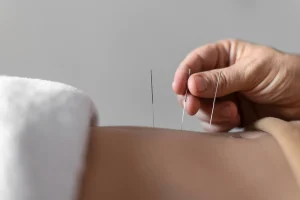
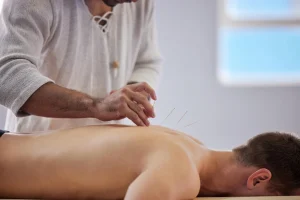
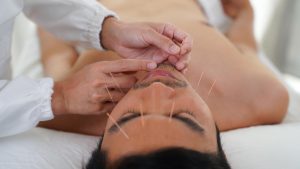
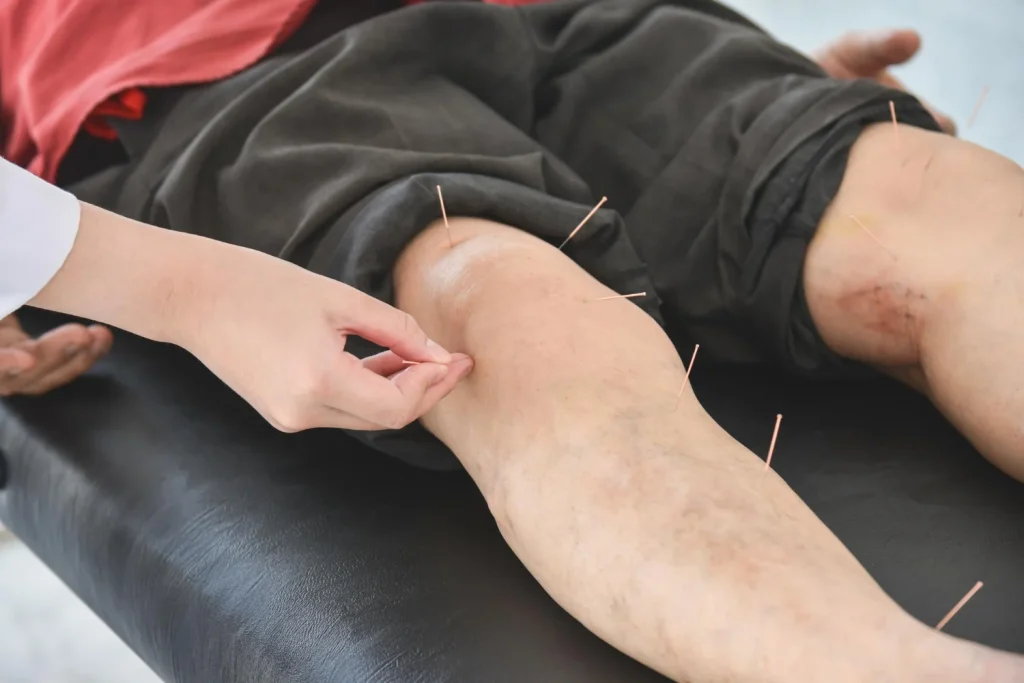
This is where needling comes in. For those who are weighing their options for dry needling in Oro Valley, the logic is clear: a thin, solid needle pierces through to that tough spot, meaning the treatment can be done exactly where the issue is located. It doesn’t use any drugs, and the needle is very small compared to what’s used for shots.
The end result is the unlocking of this tightened region of the body. This is what the procedure seeks to achieve:
- Triggering the tightened region to relax, usually by inducing a harmless twitch in the region
- Improving circulation to the region which has been deprived of adequate circulation
- Removing the excessive strain on other compensating muscles
- Improving the range of motion so that later stretching exercises become easier and more effective
The needling technique is not a replacement for physical movement. It only clears the way so that the rest of your exercises and movements can be done properly. Effects may vary by individual, but several sessions are usually needed before they become fully noticeable.
Signs It Might Be Time to Try Something New
Not sure if your discomfort fits the profile? Here are a few signs:
- Tightness that recurs in hours or days despite stretching
- Tender spot that feels hard or tight, like a knot or rope
- Reduced movement, for instance, difficulty looking side-to-side or overhead
- Pain that radiates, as in neck pain becoming a headache
- Exercise and other activities that have quietly become difficult
If any of these resonate with you, it might be time to seek out a practitioner. And if your discomfort has come on suddenly or intensely, or if you have other symptoms like numbness or weakness, contact your physician first.
What Should You Do Between Sessions?
Needling is most effective when viewed in a larger context. The actions you take after treatment are important in their own right. Here are some tips you may want to consider:
- Continue to move slowly because walking around will keep the muscles loose
- Drink lots of water
- Return to exercising gradually rather than trying to do everything immediately
- Evaluate the habit causing the injury, such as the position of your workstation or lack of warm-up exercises
- Notice the changes and report them during the next session
You may feel a bit sore in the treated muscle in the first couple of days, similar to how you feel after a good workout. This is natural and should not persist for too long.
Importance of Needling
Key points to take home with you:
- Persistent stiffness is due to the protective nature of tight muscle tissue, which cannot be reached by any stretching technique.
- The needling procedure works on those exact areas, thus increasing the effectiveness of all your other efforts.
- Persistent tightness, decreased range of motion, and radiating pain are clear signs that a different treatment approach is needed.
- Consistent movement, proper hydration, and improved habits will allow your treatment to show long-lasting effects.
If you have been living with tight, painful muscles for some time now, dry needling may be the treatment that helps you return to your previous physical activity levels, whether it is running, weightlifting, gardening, or even just turning your head.
Care That Starts With Listening
Who does the treatment is just as important as how the treatment is done. For instance, the process should start with a conversation about where it hurts, how you move, and how your day goes. There’s no one-size-fits-all formula. Every treatment plan is customized to the individual on the table, whether he’s a physically active individual working towards a personal best, or someone sitting in the office trying to move his head without pain.
The patients should be able to notice the clarity of each stage and how relaxing the environment is. This relaxed pace and clear explanation leave no room for confusion and put patients at ease right from their first appointment.
It is the listening-first approach which has made Bluemoon Acupuncture a preferred choice for anyone who has tried everything before without success.