Posture, mobility, comfort, and daily activities can all be impacted by scoliosis in different ways. While some people only have minor symptoms, others may have ongoing back pain, stiffness, tense muscles, or trouble moving comfortably. Finding helpful strategies to deal with these issues can improve day-to-day living and encourage physical activity.
For people exploring complementary approaches, acupuncture to treat scoliosis is a topic worth understanding. Although it doesn’t physically straighten a curved spine, acupuncture can help manage symptoms by relieving pain, tense muscles, and other problems that can accompany scoliosis.
Understanding Scoliosis Beyond Spinal Curvature
A common description of scoliosis is an abnormal sideways curvature of the spine. Its effects, though, may go beyond the visible curve. The way a person moves during daily activities, how their muscles function, and how their weight is distributed can all be affected by changes in their spinal alignment.
Individuals with scoliosis may experience:
- Shoulder or hip asymmetry
- Tight muscles on one side of their back
- Pain in the lower or upper back
- Decreased range of motion
- Fatigue from standing or sitting too long
- Posture abnormalities
- Difficulty performing specific actions
Scoliosis can vary greatly in severity and experience. For this reason, rather than depending on a single strategy, symptom management should be tailored to the needs of each individual.
When discomfort or tense muscles become an issue, acupuncture might be a helpful supplement. Treatment can concentrate on areas causing pain and limited movement rather than trying to fix the spinal structure itself.
How Can Acupuncture Support Someone With Scoliosis?
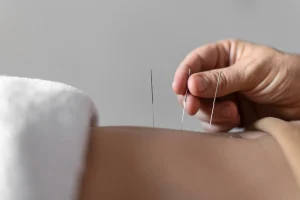
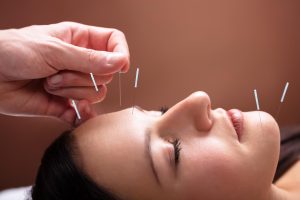
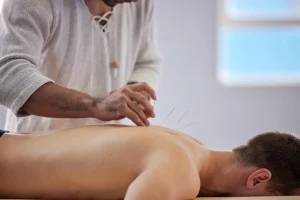
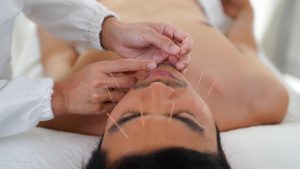
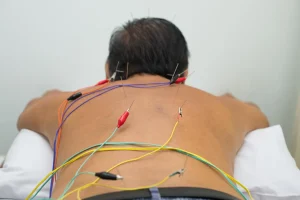
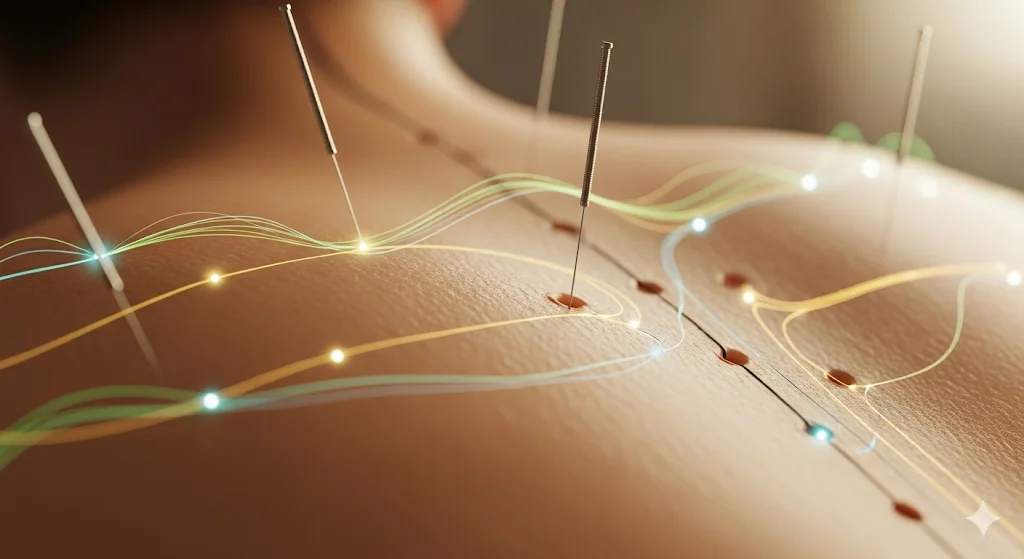
The process of acupuncture includes the insertion of very small needles into chosen points within the body. The treatment methods depend upon the symptoms and general condition of the patient, and also depend upon the purpose of the treatment.
In case of scoliosis pain, the process may include supporting the parts that are affected due to muscle tension.
Some advantages may include:
- Supporting the relaxation of muscle tension
- Helping to manage some kinds of back pain
- Supporting relaxation
- Supporting mobility
- Supporting muscular tension parts
- Supplementing other treatments
Symptom relief versus structural correction needs to be understood clearly. Acupuncture must not be viewed as a technique that will reverse any curvature of the spine. The possible use of acupuncture in this condition may be in dealing with the pain and muscle issues associated with scoliosis.
A Closer Look at Muscle Tension and Movement
Compensatory muscular action due to scoliotic deformities in the spine can lead to issues, as some muscles can be overactive or overly tense, whereas others can perform in an altered fashion during certain actions.
Eventually, this could lead to some discomfort.
Acupuncture could serve as a supporting treatment in this case, as the treatment would be carried out in areas associated with tension or discomfort. Some patients may also find the procedure itself to be quite relaxing, especially if they have been experiencing physical discomfort that causes tension.
The purpose is not merely to concentrate on the point at which one experiences pain. It might help the practitioner understand how all the symptoms relate to each other as far as movement and muscular substitution are concerned.
What Should You Expect During an Acupuncture Session?
Understanding how a procedure works can help make the procedure easier to understand, particularly for those who have never had acupuncture.
Some aspects of a usual visit would be:
- Discussion of current symptoms
- Areas of pain and restricted movement
- Identifying appropriate acupuncture points
- Insertion of extremely thin needles into chosen points
- Time allotted for treatment
- Discussion of follow-up treatment plans
However, the specific treatment strategy will vary depending on the individual. An individual suffering from occasional muscle tightness might have other objectives compared to an individual suffering from persistent discomfort.
Effective communication is key in this process. The patient should communicate all his symptoms, prior treatments, medicines, and concerns to the practitioner before starting the acupuncture procedure.
Acupuncture for Individualized Support
Getting services from nearby service providers can ensure that complementary services are easily included in your wellness program. This is especially applicable where you are managing symptoms rather than finding an immediate solution to your problem.
The following can be considered for individualized acupuncture:
- Location of the discomfort
- Frequency of occurrence of the symptoms
- Influence of movement on the pain
- Areas of muscle tension
- Activity that aggravates the symptoms
- Current method of scoliosis treatment
Rather than treating everyone with the same treatment plan, individualized care enables consideration of the unique needs of the person.
Acupuncture Compared With Other Supportive Approaches
Acupuncture is just one of many possible ways that could be used in dealing with symptoms of scoliosis. Every approach serves a different purpose.
Physical therapy may include working on strength, flexibility, body positioning, movements, and improving function. Exercise could be helpful in maintaining mobility and developing physical abilities. Acupuncture in Tucson, Arizona, is another alternative treatment method which involves the use of certain points and supportive care for issues like tension and pain.
A more generalized plan may be better than considering any one form of treatment as the ultimate solution.
Some examples are:
- Exercise to ensure strength and flexibility
- Physical Therapy for movements
- Acupuncture to help in dealing with pain and tension
- Medical advice from professionals if needed
When Should You Consider Professional Guidance?
However, this does not mean that all back problems need to be treated as being caused by scoliosis. Symptoms that occur for the first time, become more serious or worse with time, require proper medical attention.
Any person who experiences problems with mobility, unexplained symptoms, or increasing pain should consult a physician, rather than resorting only to complementary therapy.
Conclusion
There is no universal way to live with scoliosis, as some individuals have different symptoms that will need several interventions. Acupuncture is among the techniques that will assist in dealing with issues such as pain, tightness, and difficulty in moving, while others will help in enhancing strength, flexibility, and spine alignment.
Those who need an expert acupuncturist in Tucson, AZ, could think about finding out more about personalized complementary treatments near them.
A professional acupuncturist from Bluemoon Acupuncture is ready to help people who want to talk about their health issues and aims.