The inflammation of the tendons that connect muscles to the knee joint is known as knee tendonitis and is associated with painful symptoms, including stiffness and reduced mobility. These problems are often treated with a time-proven approach using anti-inflammatory drugs or resorting to physical therapy, which has no effect on the root of the problem.
Acupuncture for tendonitis in knee turns the attention towards the core problems, promotes the body’s ability to heal, and at the same time alleviates the pain. Many patients ask, can acupuncture help tendonitis, Evidence, along with clinical experience, suggests it can offer meaningful, drug-free relief and promote long-term healing.
The most frequent reasons for knee tendonitis are:
- Overuse from sports or repetitive activities
- Sudden increases in physical intensity
- Weakness or imbalance inthe surrounding muscles
- Previous injuries that have not fully healed
Acupuncture aims at balancing these causes and helps regain functionality by using the body’s system.
How Targeted Acupuncture Stimulates Healing
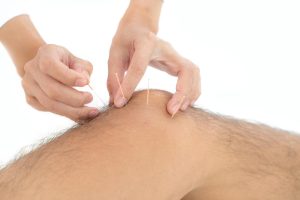
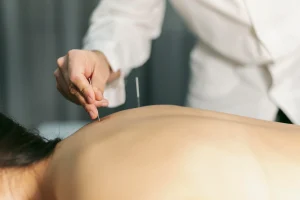
In acupuncture, thin needles are inserted at specific points around the knee and along the associated energy channels. This method:
- Improves blood circulation in the injured tendons
- Releases pain-relieving endorphins
- Reduces inflammation locally
- Stimulates repair processes at the cellular level
Together, these processes help to reduce tension, increase mobility, and hasten recovery with a more holistic approach than many conventional treatments.
Integrating Tendonitis Acupuncture into Recovery Plans
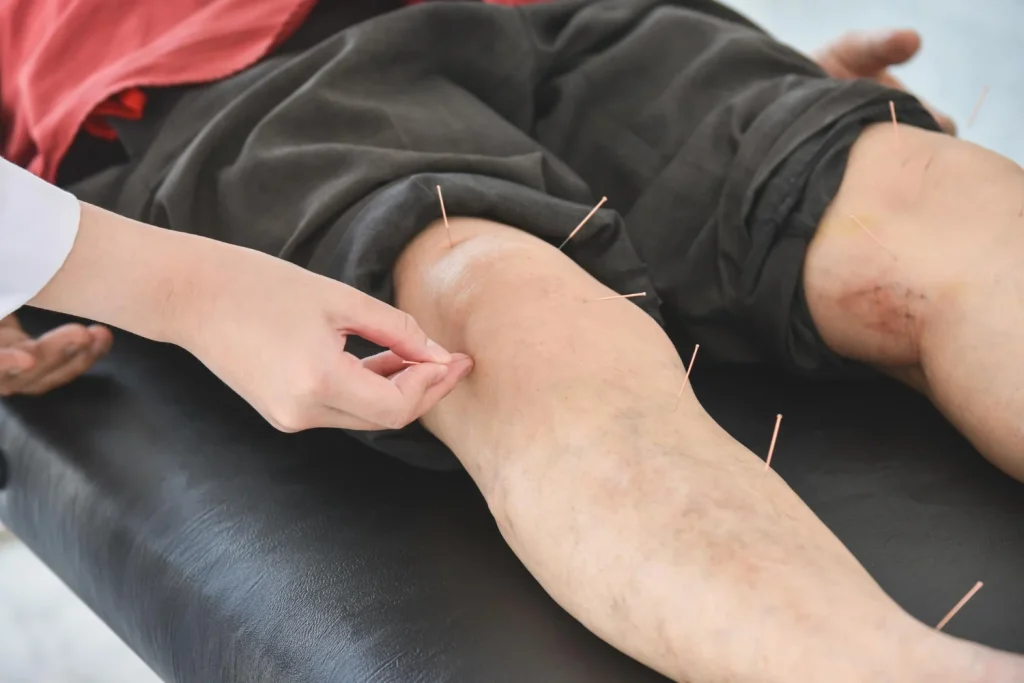
Always combined with tenderness, stretching, and guided exercise, tendonitis acupuncture resolves strength loss and stiffness in stages. The advantages of this modality include the following:
- Prevention of injury recurrence
- Shorter period for full recovery than when relying solely on rest and pharmacotherapy
- Tailored interventions to known painful sites
- Assistance in maintaining the integrity of joints long after symptoms have subsided
In most cases, the individuals also observe an increase in the functionality of the knee, making it possible to engage in regular activities with reduced pain levels.
Addressing Pain Beyond Physical Symptoms
Tendonitis of the knees is not solely a physical condition-it can affect one’s body and confidence. However acupuncture:
- Calms the nervous system’s response to chronic pain
- Reduces stress that may aggravate inflammation
- Supports the natural energy flow for holistic health
Such multi-dimensional care ensures the treatment is more holistic than just the common medication approach.
Safety and Effectiveness Compared to Conventional Therapy
Acupuncture is one of the few treatments where there are no risks or long-term medication; for this reason, it is very minimally invasive and well-tolerated. It allows the intervention to be focused and does not put too much emphasis on drugs or surgery. Clinical trials demonstrate that acupuncture can complement or sometimes even surpass certain conventional procedures in alleviating tendon pain, especially if acupuncture treatment is supplemented with rehabilitation exercises.
How Acupuncture Supports Long-Term Knee Function
Acupuncture doesn’t just reduce immediate pain—it also promotes long-term tendon and joint health. By stimulating points around the knee, these techniques promote the proper alignment of muscles and tendons, strengthen connective tissues to prevent further injury, and improve circulation to carry nourishment essential for healing. Acupuncture may also enhance the body’s inherent repair mechanisms to counteract recurring inflammation.
Individuals often notice increased stability and endurance in daily activities, which allows them to move with confidence and maintain an active lifestyle without over-relying on medications or repetitive treatments.
Conclusion: Achieve Lasting Knee Health
Bluemoon Acupuncture and Wellness Center practitioners treat knee tendonitis on an individual patient basis. This includes traditional approaches and modern techniques for pain relief, healing, and restoration of function.
Those who want to enjoy a comfortable life of mobility and injury-free life should schedule a consultation for a more personalized approach to long-term health of the knees.