
Bluemoon Pulse Diagnostic
Acupuncture

Medical Pulse Diagnosis Oro Valley, AZ
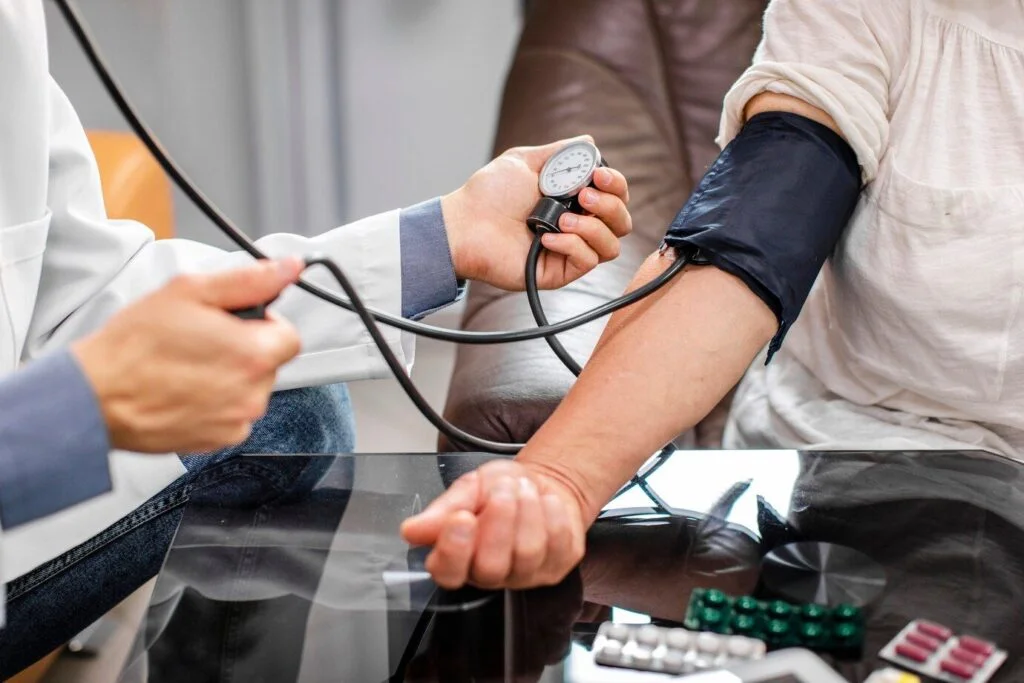
Medical pulse diagnosis is a traditional Chinese medicine technique that reads the quality, rhythm and strength of your pulse to understand what’s happening throughout the body, not just the heart. At Bluemoon Acupuncture in Oro Valley, pulse diagnosis is used alongside AcuGraph technology to help develop a treatment plan based on the root cause of your condition, not just the symptoms.
Key Takeaways
- A traditional diagnosis method that reads pulse quality and rhythm, not just heart rate
- Used to understand the body’s internal balance: organs, circulation and energy flow.
- Sessions typically take 15-30 minutes
- Often combined wth a AcuGraph diagnostic technology for a proper understanding
- Used to guide treatment planning, not as a replacement for standard medical diagnosis.
What Is Medical Pulse Diagnosis?

Taking a pulse in Western medicine typically includes counting the number of heartbeats per minute. Pulse diagnosis goes much further in Traditional Chinese Medicine, where a practitioner may spend a lot of time listening for the pulse’s quality and pattern rather than just its rate. A pulse may be described as tense, slippery, choppy, full, or deficient, among other characteristics, each indicating a different pattern of imbalance in the body. Pulse diagnosis has its own vocabulary, with dozens of distinct qualities that practitioners are trained to recognize.
How It Fits Into Your Treatment Plan
Pulse diagnosis is one of several inputs that help in developing your treatment; it is not used as a stand-alone diagnosis. When used alongside a discussion of your symptoms and medical history, along with AcuGraph’s more advanced diagnostic readout, it provides your practitioner with a more comprehensive understanding of potential imbalances in the body. This helps them determine which acupuncture points, techniques, and treatment frequency are most appropriate for you.
Benefits of Medical Diagnosis
Non-invasive
No needles, no equipment, just a direct reading of your pulse.
Adds depth to your treatment plan
Gives your practitioner insight beyond what symptoms alone can show
Tracks pattern over time
Changes in pulse quality across visits can reflect how your body is responding to treatment.
Personalize your care
Helps tailor which acupuncture points and techniques are used, rather than applying a standard protocol
Complements modern diagnosis
Works alongside tools like AcuGraph rather than replacing them, giving a fuller picture of your health.
Pulse Diagnosis Vs. AcuGraph: What’s the Difference?
Patients occasionally want to know how both are related. Since both Medical Pulse Diagnosis and AcuGraph are used to evaluate the body prior to treatment, they are complementary approaches rather than competing with each other:
- Medical pulse diagnosis is a traditional, practical method: Based on thousands of years of clinical observation in Chinese medicine, a practitioner reads the pulse directly to evaluate patterns of imbalance.
- AcuGraph is a contemporary diagnostic tool: It provides an objective, technology-based readout that can be monitored and compared over time by measuring electrical conductivity at specific acupuncture points.
Dr. Rezaei often uses both together, the traditional insight of pulse diagnosis alongside the measurable, repeatable data from AcuGraph, to build a more complete picture than either method would provide on its own.
Who Is Medical Pulse Diagnosis For?
Pulse diagnosis tends to work well for:
- Patients who want more than a symptom-by-symptom approach want the bigger picture of what’s going on internally, not just the specific pain that brought them in.
- Existing acupuncture patients who want their treatment plan to be as personalized as possible.
- Anyone managing a chronic or hard-to-treat condition where standard testing hasn’t given a full picture
If you’re simply looking for one specific service like cupping or dry needling, pulse diagnosis is optional, but many patients add it for a more complete assessment before treatment begins.
Talk to an expert about your symptoms
What to Expect During a Session?

A Medical Pulse Diagnosis session typically takes 15-30 minutes. Your practitioner will take your pulse at the wrist, assessing its rhythm, strength, and quality, often alongside a conversation about your health history and current symptoms. This information feeds directly into your personalized treatment plan, rather than standing alone as a diagnosis.
Expert Insight
“Pulse diagnosis often tels me things a patient hasn’t even mentioned yet. I’ll feel a pattern that points to poor sleep or stress before they’ve brought it up themselves, it gives me a starting point that goes beyond what they walked in describing.”
– Dr. Mojgan Rezaei

Ready to Get Started?
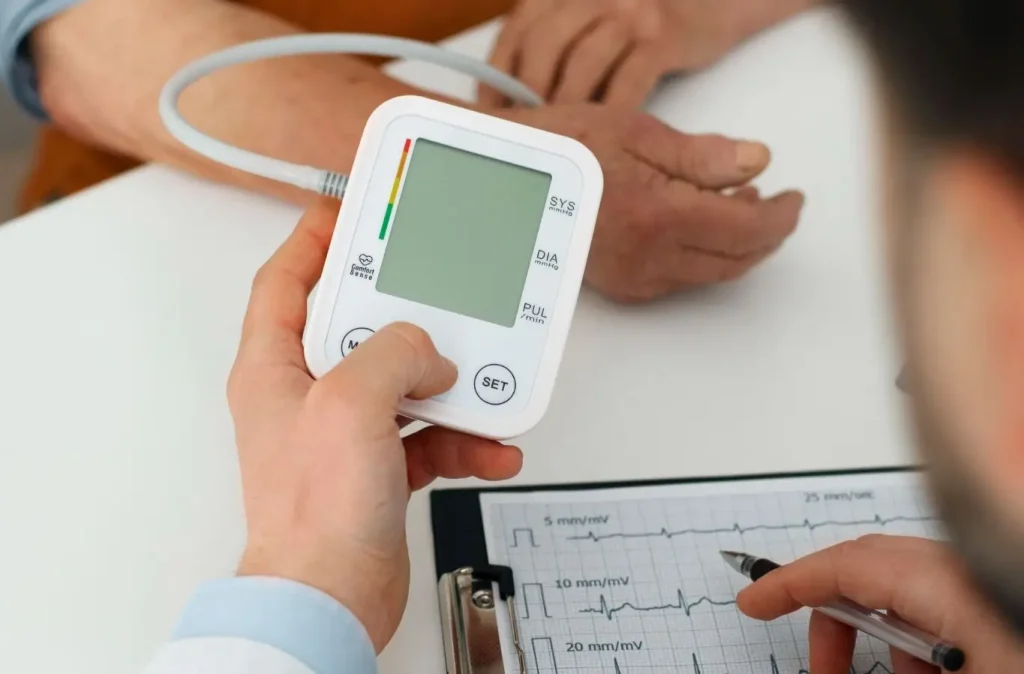
Are you wondering what your pulse could tell you about your general health? A straightforward, non-invasive initial step, pulse diagnosis helps create a customized treatment plan rather than a one-size-fits-all approach.
There’s no needle involved and nothing to prepare beforehand, just a conversation and a few minutes of your practitioner’s full attention. Whether it’s your first visit or you’re adding it to ongoing care, it’s an easy way to start seeing the complete picture.
Book Your Medical Pulse Diagnosis Session in Oro Valley
FAQ’s

10 K
satisfied Customer
No, it’s much more than just checking heart rate. To understand what’s going on throughout the body, not just the heart, a practitioner reads the quality, rhythm, and pattern of your pulse. It’s a method used in traditional Chinese medicine that uses a specific vocabulary to describe what a pulse reveals.
It’s one of the many inputs your practitioner uses to identify potential imbalances in the body. It helps determine which acupuncture points and techniques are most appropriate for your treatment plan, based on your symptoms, medical history, and AcuGraph results.
It is best understood as a traditional diagnostic tool used in Chinese medicine for thousands of years; it is a supplementary technique that influences how your acupuncture treatment is approached, rather than a substitute for conventional medical testing. For many patients, it provides helpful information in addition to their standard care.
It usually takes 15 to 30 minutes, including time to discuss your medical history and current symptoms alongside the pulse reading itself.
AcuGraph is a contemporary tool that measures electrical activity at acupuncture points, whereas pulse diagnosis is a conventional, practitioner-led method. For a more thorough evaluation, Dr. Rezaei frequently combines both; for further information, see the comparison above.
No, it is not intended to replace your doctor’s diagnosis or medical testing; rather, it is meant to supplement your care. Here, it is used specifically to aid in planning acupuncture treatments.